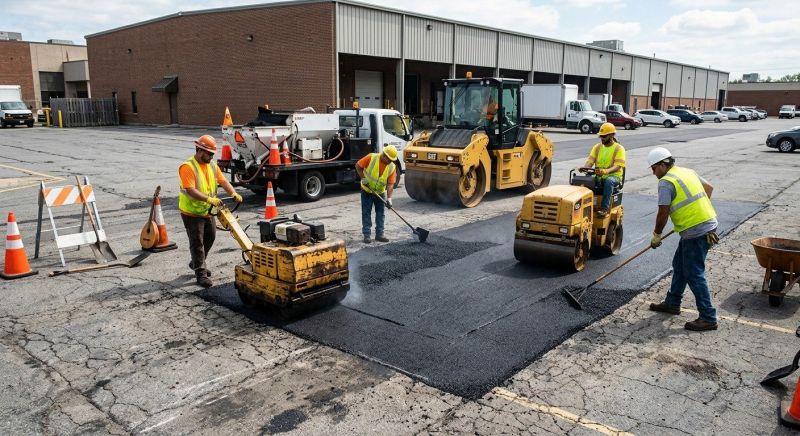
Parking Lot Repair in Los Angeles, CA
Parking lot repair services focus on restoring and maintaining the surface of residential driveways, private parking areas, and other paved outdoor spaces. These projects typically include fixing cracks, potholes, and uneven surfaces, as well as sealing and resurfacing to improve durability and appearance. Property owners usually seek these services to enhance safety, prevent further damage, and extend the lifespan of their parking areas, especially after experiencing weather-related wear or heavy use.
Before requesting parking lot repair, property owners often want to understand the extent of damage, the types of repairs needed, and the materials best suited for their specific surface. It’s also common to inquire about the process involved, any necessary preparations, and how repairs might impact daily use of the area. Clear communication about these aspects helps ensure the project addresses current issues effectively and provides a long-lasting solution.
Many property owners in Los Angeles, CA look into Parking Lot Repair for repairs, replacements, upgrades, and appearance-related improvements.
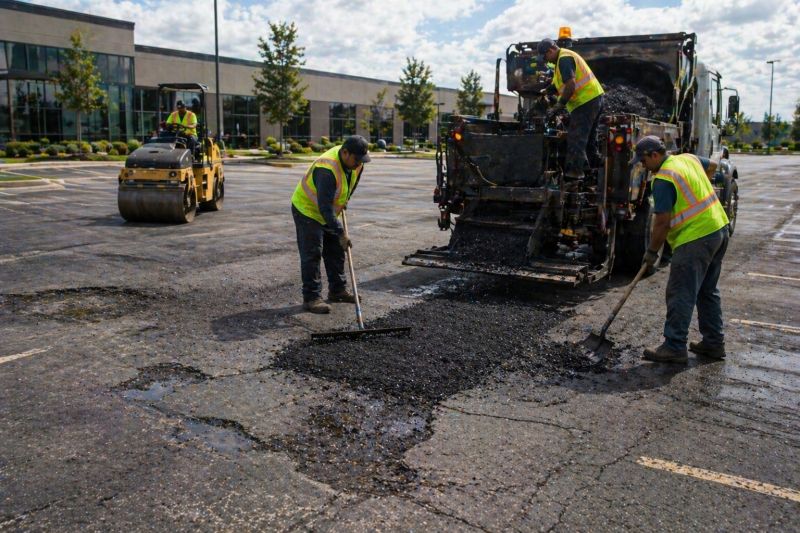
Crack And Pothole Repair
Addressing cracks and potholes helps maintain safety and appearance in parking lots.
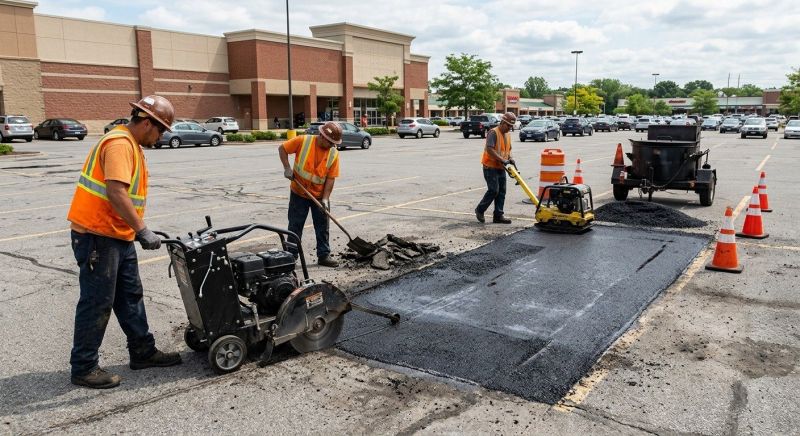
Surface Resurfacing And Sealcoating
Resurfacing restores smoothness, while sealcoating protects against weather damage.
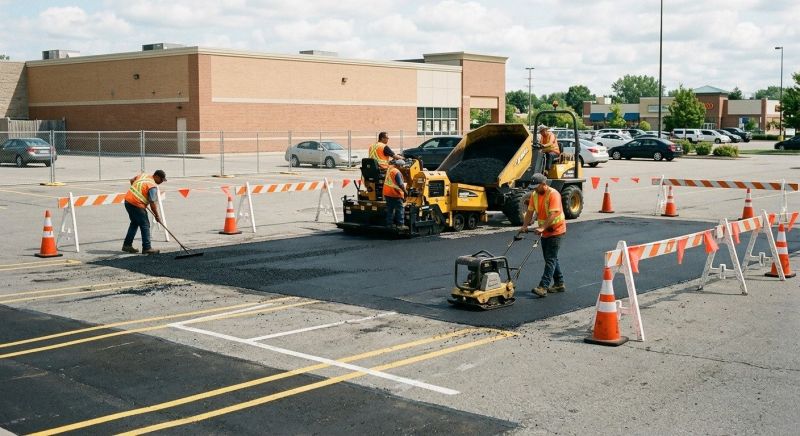
Line And Marking Restoration
Clear parking lines and markings improve organization and maximize space efficiency.
Parking Lot Repair in Los Angeles, CA
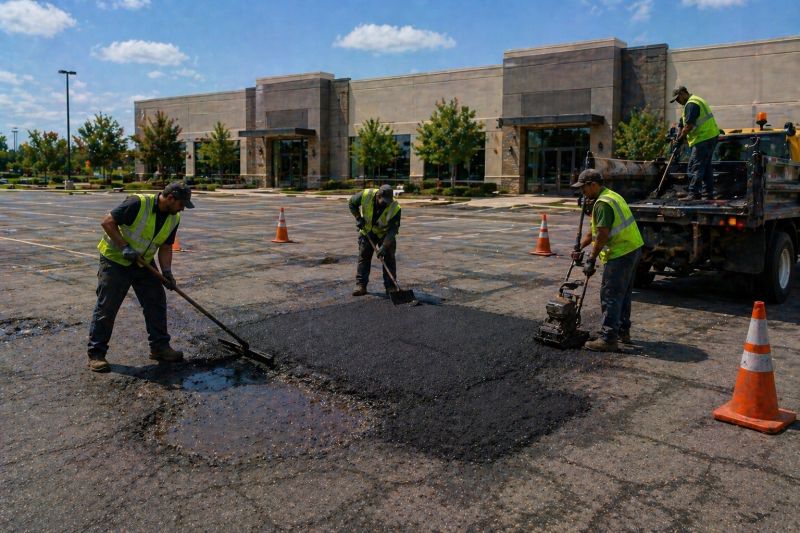
Parking lot repair services focus on restoring and maintaining the surface of residential driveways, private parking areas, and other paved outdoor spaces. These projects typically include fixing cracks, potholes, and uneven surfaces, as well as sealing and resurfacing to improve durability and appearance. Property owners usually seek these services to enhance safety, prevent further damage, and extend the lifespan of their parking areas, especially after experiencing weather-related wear or heavy use.
Before requesting parking lot repair, property owners often want to understand the extent of damage, the types of repairs needed, and the materials best suited for their specific surface. It’s also common to inquire about the process involved, any necessary preparations, and how repairs might impact daily use of the area. Clear communication about these aspects helps ensure the project addresses current issues effectively and provides a long-lasting solution.
Many property owners in Los Angeles, CA look into Parking Lot Repair for repairs, replacements, upgrades, and appearance-related improvements.
Common Parking Lot Repair Jobs
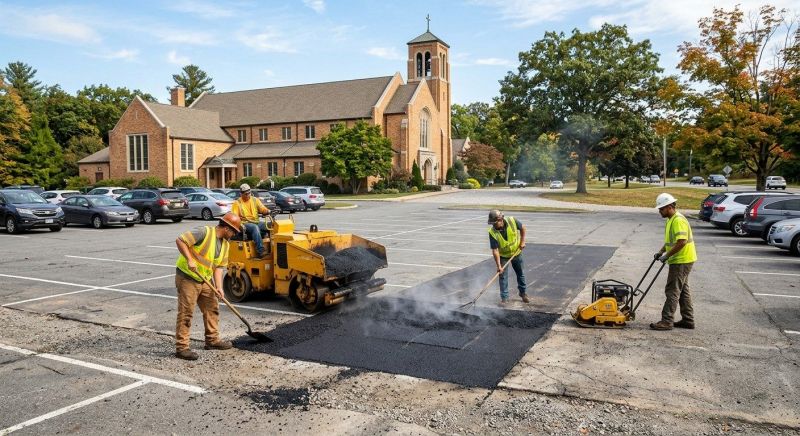
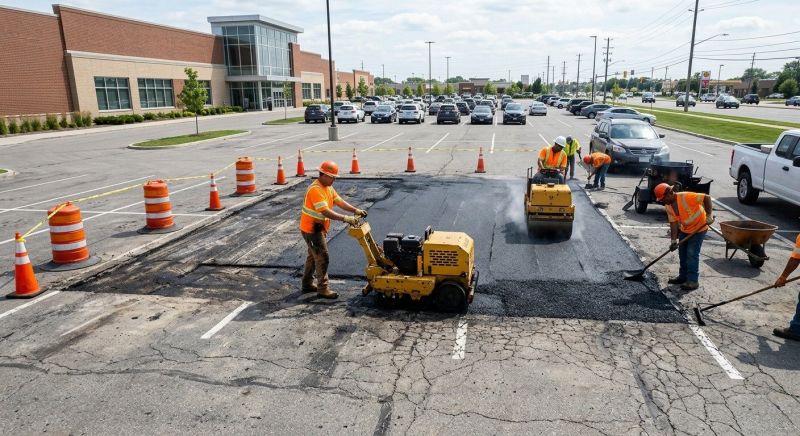
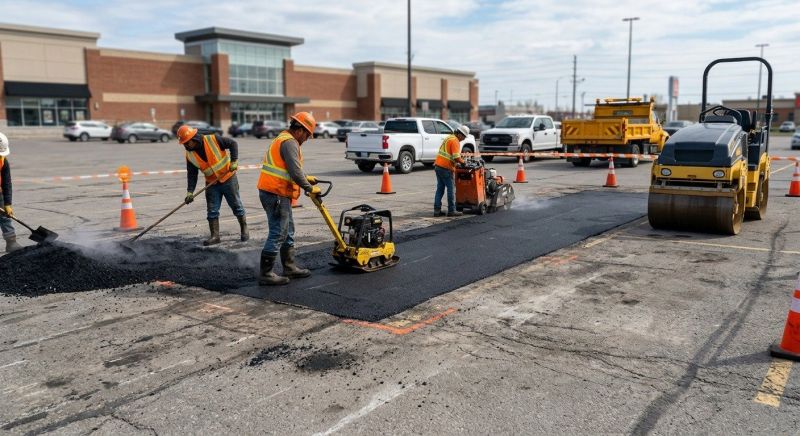
Asphalt Patching - repairs potholes and cracks to restore a smooth surface.
Crack Sealing - seals surface cracks to prevent water infiltration and further damage.
Resurfacing - applies a new layer over existing pavement to improve appearance and durability.
Sealcoating - protects the parking lot surface from weather and chemical wear.
Pothole Repair - fills and levels sunken or damaged areas for safe vehicle passage.
Concrete Repair - restores broken or cracked concrete sections for a clean, even surface.
Parking Lot Repair Questions
What types of parking lot repairs are commonly needed? Repairs often include crack filling, pothole patching, surface sealing, and overlay applications to restore durability and safety.
How can I tell if my parking lot needs repair? Signs include visible cracks, potholes, uneven surfaces, and fading or deteriorating pavement markings.
Are parking lot repairs suitable for all types of pavement? Most asphalt and concrete surfaces can be repaired, with specific methods chosen based on the material and extent of damage.
What should property owners consider before scheduling repairs? It's important to assess the current condition, plan for proper drainage, and ensure surface integrity for long-lasting results.
Request Parking Lot Repair in Los Angeles, CA
Use the quote form on this page to share the basics of your project and request more information for the type of work you need.